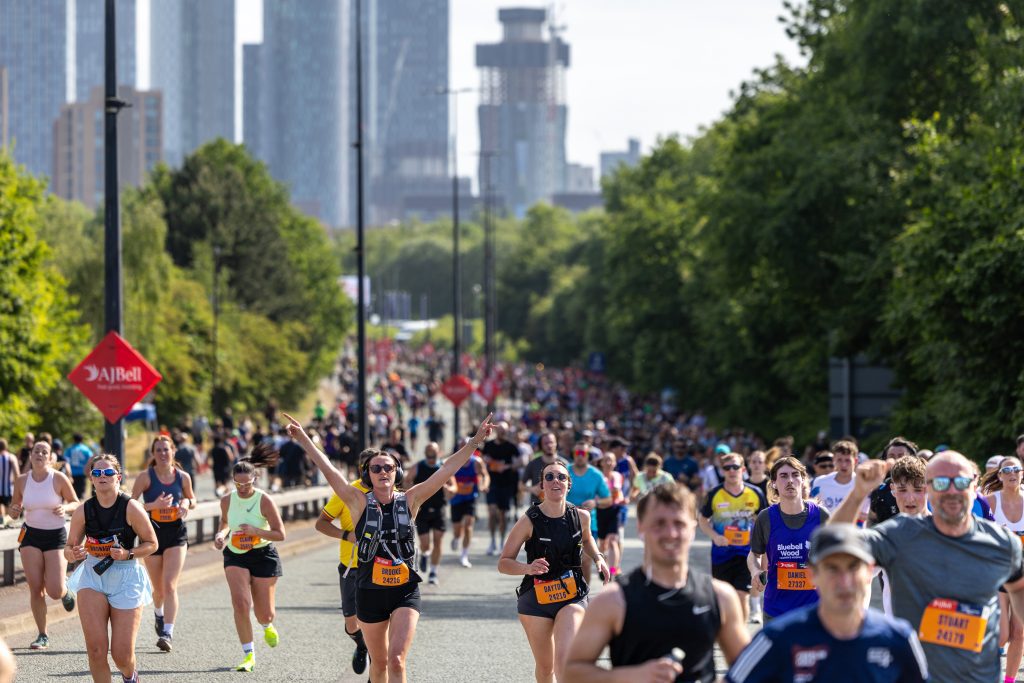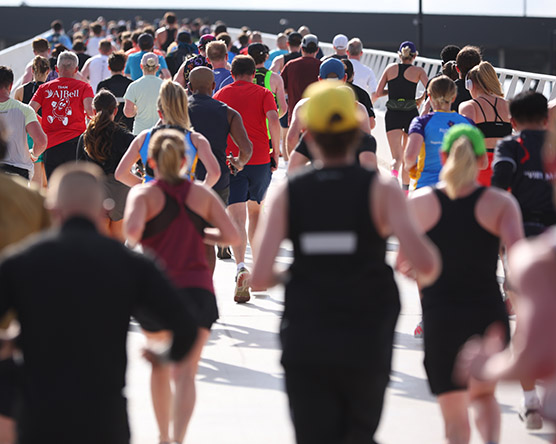

Running in warm weather requires preparation and adjustment. Whether you’re training or taking part in a Great Run event during warm conditions, use the following advice to help you stay safe and comfortable.
1. Prepare Before the Run
- Bring your own bottle of water to drink while you wait to start your run.
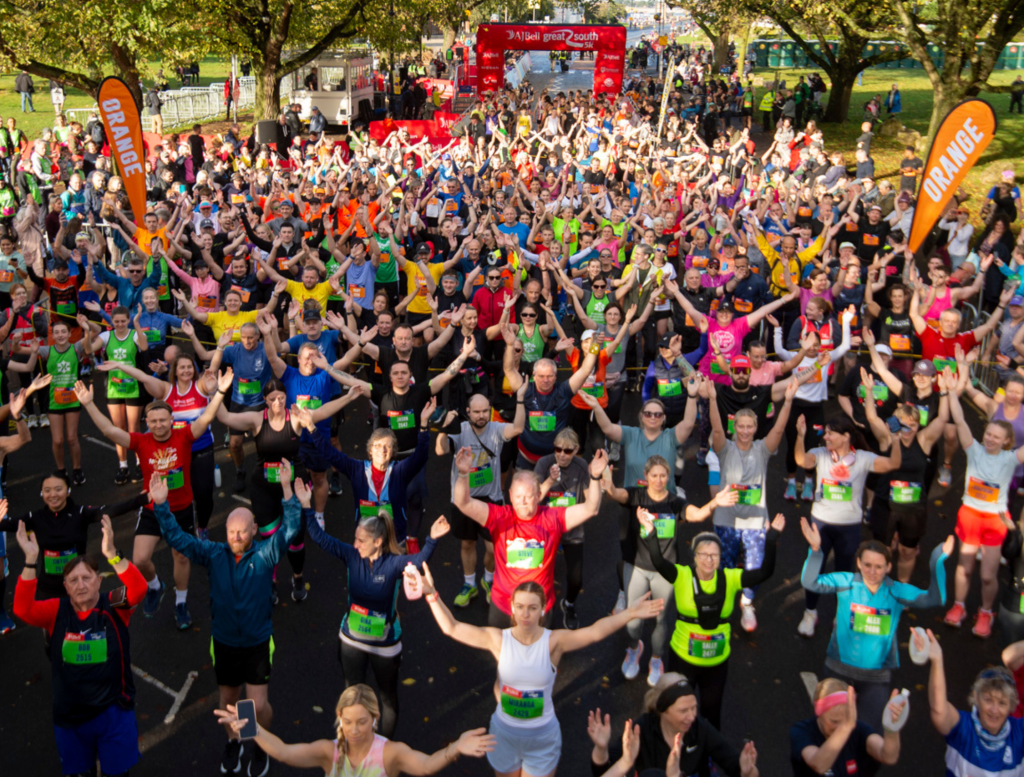
- Stay out of direct sunlight before the race begins. Seek shade or remain indoors to avoid overheating while waiting in the starting area.
- Apply high-factor sunscreen and wear a lightweight cap or visor to protect your skin and help reduce heat exposure.
- Drink to thirst on the day before and on the event day itself, and ensure you arrive at the event hydrated. Be careful not to overdrink.
- Pack a change of clothing to wear afterwards – we have free-to-use baggage facilities across most Great Run Series events
2. Dress Smart for the Heat
- Choose light-coloured, breathable technical clothing to reflect sunlight and improve airflow.
- Avoid thick or non-breathable fabrics that trap heat.
- A thin running cap can help shield your face and reduce insulation from hair.
3. Reconsider Fancy Dress
- While fancy dress brings fun and flair to Great Run events, it can significantly increase heat retention and restrict airflow.
- On hot days, it’s advisable to skip bulky or layered costumes, or trial them on a warm training run to see how your body responds.
4. Hydrating & Keeping cool on your run
- It’s a good idea to carry a small water bottle or hydration belt so you can sip little and often between water stations, we recommend The Great Run handheld running bottle for events, daily jogs, long-distance training or simply staying refreshed on the go. Get yours here.
- Make use of the water stations on the event route – drink to thirst, particularly if you’re sweating a lot, but don’t overdo it.
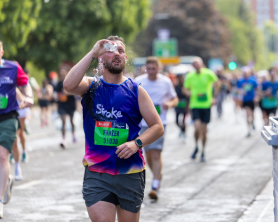
- If you don’t need all the water, consider pouring it over your head or back of your neck, or check if your fellow runners would like it to douse themselves.
- Electrolyte drinks or gels help replenish salts lost in sweat – but practise with them in training to avoid surprises on race day.
- Make use of the showers on course to cool yourself – remember, as your clothing becomes wetter, you may experience chafing – consider taping sensitive areas such and using petroleum jelly.
5. Adjust Your Pacing and Expectations
- Heat adds extra strain, so slow your pace and adjust your goals
- Many elite athletes avoid pushing for personal bests in high temperatures – it’s smart to follow their lead.
- Don’t hesitate to walk or pause if needed; listening to your body is key.
6. Watch for Signs of Heat Illness
- Be alert for dizziness, confusion, chills, headaches, or lack of sweat.
- If you experience any of these symptoms, move to shade or a cool area, stop running, and seek medical help from event staff.
7. Post Run
- Make sure you stay hydrated once you’ve finished. A bottle of Aqua Pura is available to all finishers (either given to you, or in your finisher’s bag). Water re fill stations will also be available.
- If you don’t feel well, please don’t travel. Seek medical advice.
- Take some time to recover before you head home.
- Change into fresh, dry clothing.
8. Practise Running in Warm Conditions
- In your lead-up to the event, try to schedule a training run on a warmer-than-usual day.
- This helps your body acclimate to higher temperatures, improves your confidence, and allows you to test clothing, pacing, and hydration strategies in realistic conditions.
Final Thoughts
Planning ahead and running smart in the heat can make all the difference on race day. By staying shaded before the start, dressing sensibly, pacing appropriately, hydrating properly and practising in warm weather, you’ll give yourself the best chance to enjoy the experience and finish safely.